
HbA1c Blood Test
Filed under: Blood Sugar Diabetes Lab Tests
Quick Summary
The HbA1c blood test measures glycated hemoglobin, which reflects your average blood glucose level over the past 2 to 3 months. It is a key test for diagnosing and monitoring diabetes and prediabetes.
Why It Matters
It matters because it shows long-term blood sugar control rather than a single moment in time. Doctors use it to diagnose diabetes, assess risk for diabetes complications, and monitor how well treatment and lifestyle changes are working. High average glucose over time can damage blood vessels, nerves, kidneys, eyes and heart.
How It Works
Hemoglobin is a protein in red blood cells that carries oxygen. When glucose is in the blood, some of it binds irreversibly to hemoglobin to form HbA1c. The longer red blood cells live, about 120 days, the more glucose accumulates on them. The test measures the percentage of hemoglobin that is glycated.
Normal Range
Normal:
<5.7%
Prediabetes: 5.7% to 6.4%
Diabetes: ≥6.5% on two
separate tests or with symptoms
Target for many people with
diabetes on treatment is <7%, individualized by age and health
status.
Causes of High Levels
Persistently elevated blood glucose from type 1 or type 2 diabetes, insulin resistance, prediabetes, poor diet high in refined carbohydrates, lack of physical activity, obesity, pregnancy with gestational diabetes, certain medications such as corticosteroids, chronic stress, and conditions that increase insulin resistance.
Causes of Low Levels
Falsely low results can occur with conditions that shorten red blood cell lifespan or affect hemoglobin, such as hemolytic anemia, recent blood loss or transfusion, iron deficiency anemia, vitamin B12 or folate deficiency, hemoglobin variants like hemoglobinopathies, and chronic kidney disease. True low HbA1c can reflect very good blood sugar control.
Nutrition
Nutrition affects HbA1c by influencing average blood glucose over weeks to months. Consistent carbohydrate intake, fiber, protein and healthy fats support steadier glucose levels. Doctors assess HbA1c to guide nutrition therapy and see if dietary changes are improving long-term control.
Foods
Foods that tend to raise HbA1c when consumed in excess include sugary drinks, refined grains, white bread, pastries
Testing
An HbA1c blood test measures the percentage of hemoglobin in your red blood cells that is bound to glucose, called glycated hemoglobin.
Hemoglobin is the protein in red blood cells that carries oxygen. When glucose is in the bloodstream it attaches to hemoglobin. The longer your average blood glucose is elevated, the more hemoglobin becomes glycated. Because red blood cells live for about 120 days, HbA1c reflects your average blood glucose over the past 2-3 months.
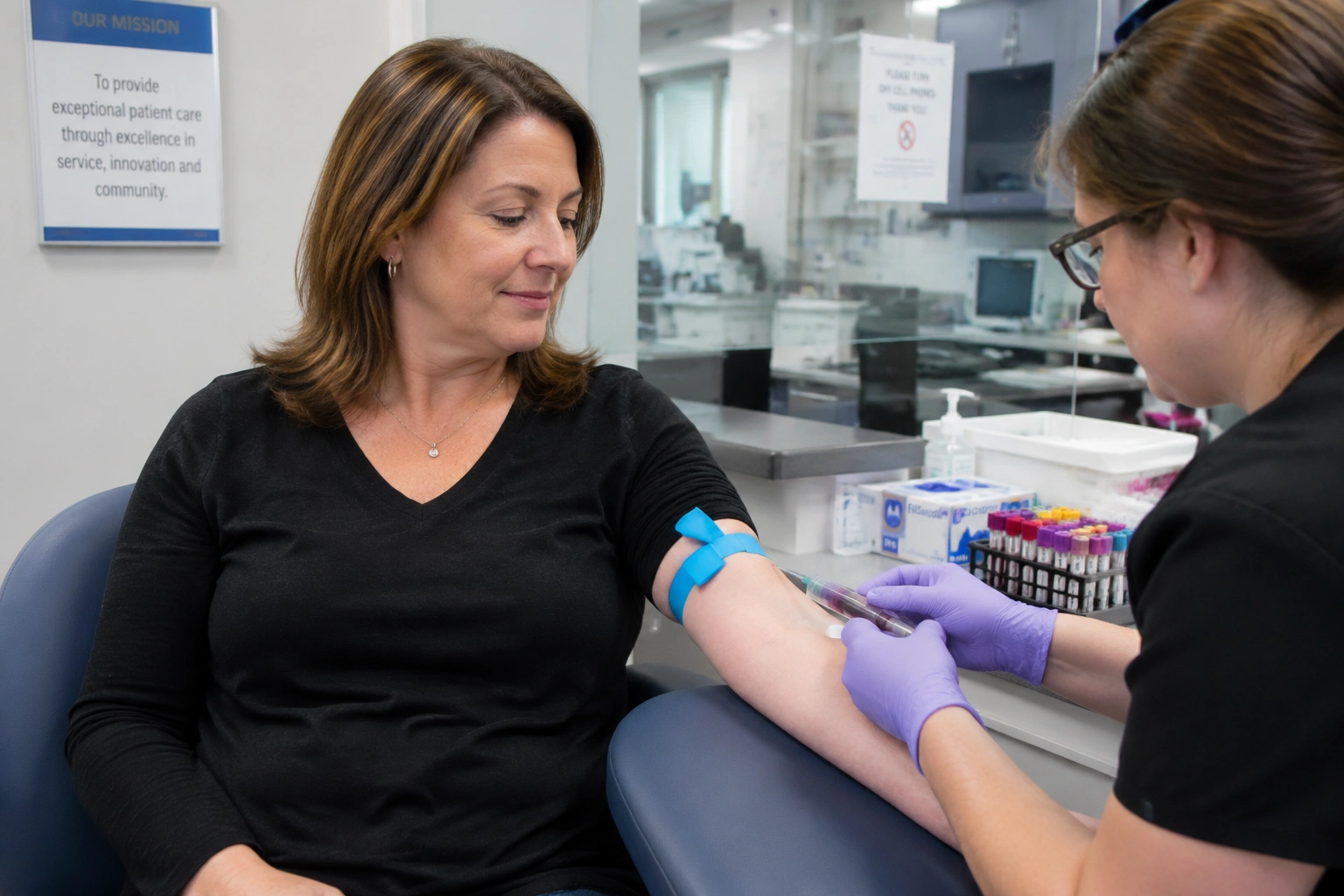
The test is done from a small blood sample, usually from a fingerstick or venous draw. No fasting is required. The sample is sent to a lab where it is analyzed by methods such as High Performance Liquid Chromatography, immunoassay, boronate affinity chromatography, or enzymatic assay. Results are reported as a percentage and can also be converted to an estimated average glucose in mg/dL or mmol/L.
Frequently
Asked Questions
What
is an HbA1c test used for?
It
is used to diagnose diabetes and prediabetes, and to monitor
long-term blood sugar control in people with diabetes.
Do
I need to fast for an HbA1c test?
No. Unlike fasting glucose or
oral glucose tolerance tests, HbA1c can be done at any time of day
without fasting.
How
often should it be checked?
For people with diabetes, typically
every 3 months if treatment is changing, and at least twice a year if
blood sugar is stable. For screening, frequency depends on risk
factors and provider guidance.
Is
HbA1c accurate for everyone?
Results can be affected by
conditions that change red blood cell turnover or hemoglobin, such as
anemia, recent blood loss or transfusion, hemoglobin variants like
sickle cell trait, kidney disease, and pregnancy. In those cases a
provider may use fasting glucose or continuous glucose monitoring for
assessment.
Can
HbA1c be used to diagnose diabetes in pregnancy?
No. HbA1c is
not recommended for diagnosing gestational diabetes. Glucose testing
is used instead.
Key Takeaway
The benefits of an HbA1c test are that it provides a stable, long-term view of blood sugar control rather than a single moment in time, requires no fasting and only one blood sample, and is useful for diagnosing diabetes and prediabetes and for monitoring treatment effectiveness. Consistent HbA1c monitoring helps reduce the risk of diabetes-related complications and supports personalized management decisions.
*This is general information only and not medical advice